
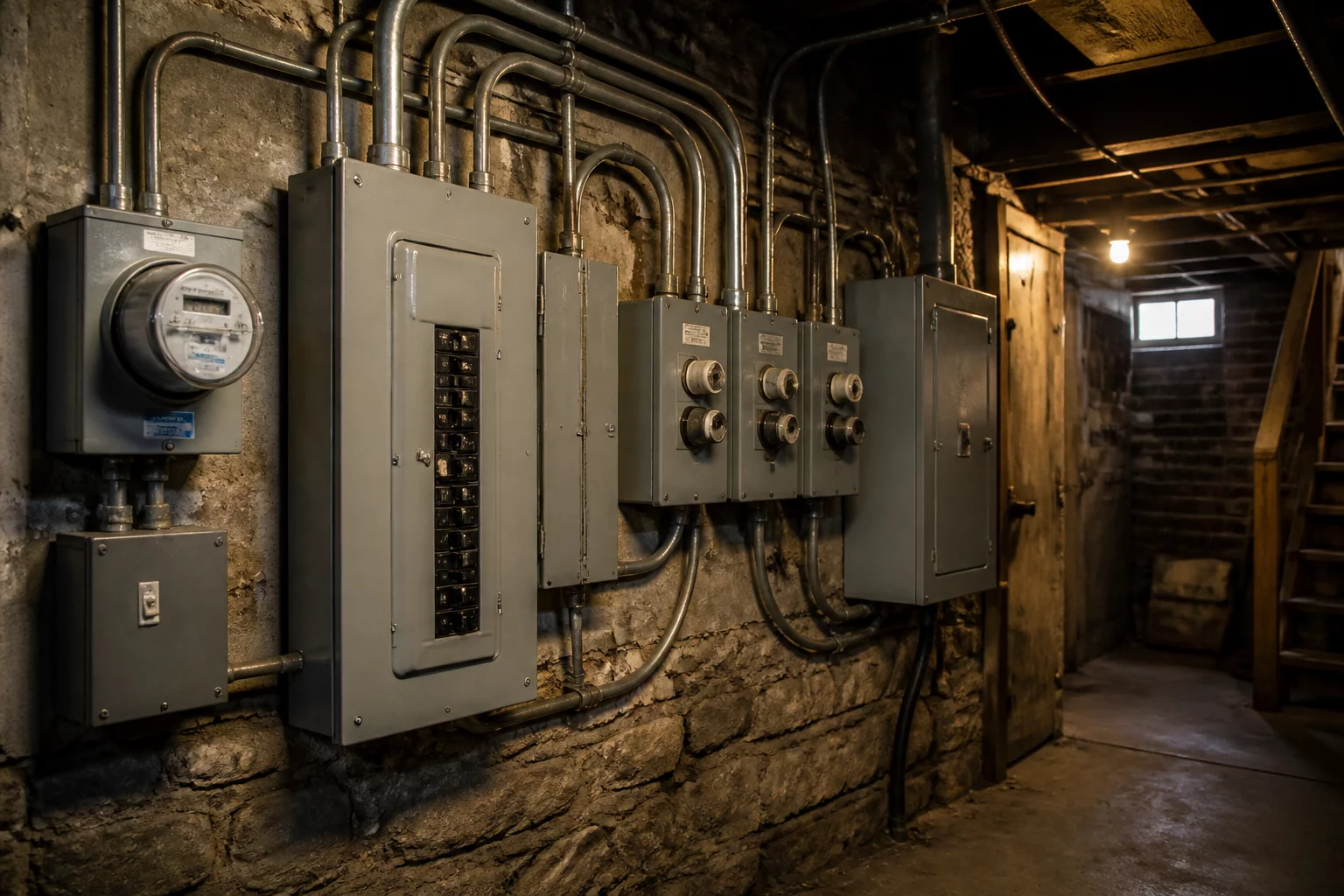
Article Header Background
Home Buyer Advisory 6 min read

Buying an Older House Electrical Checklist

William Smith • 2026-09-10 • Technical Advisory
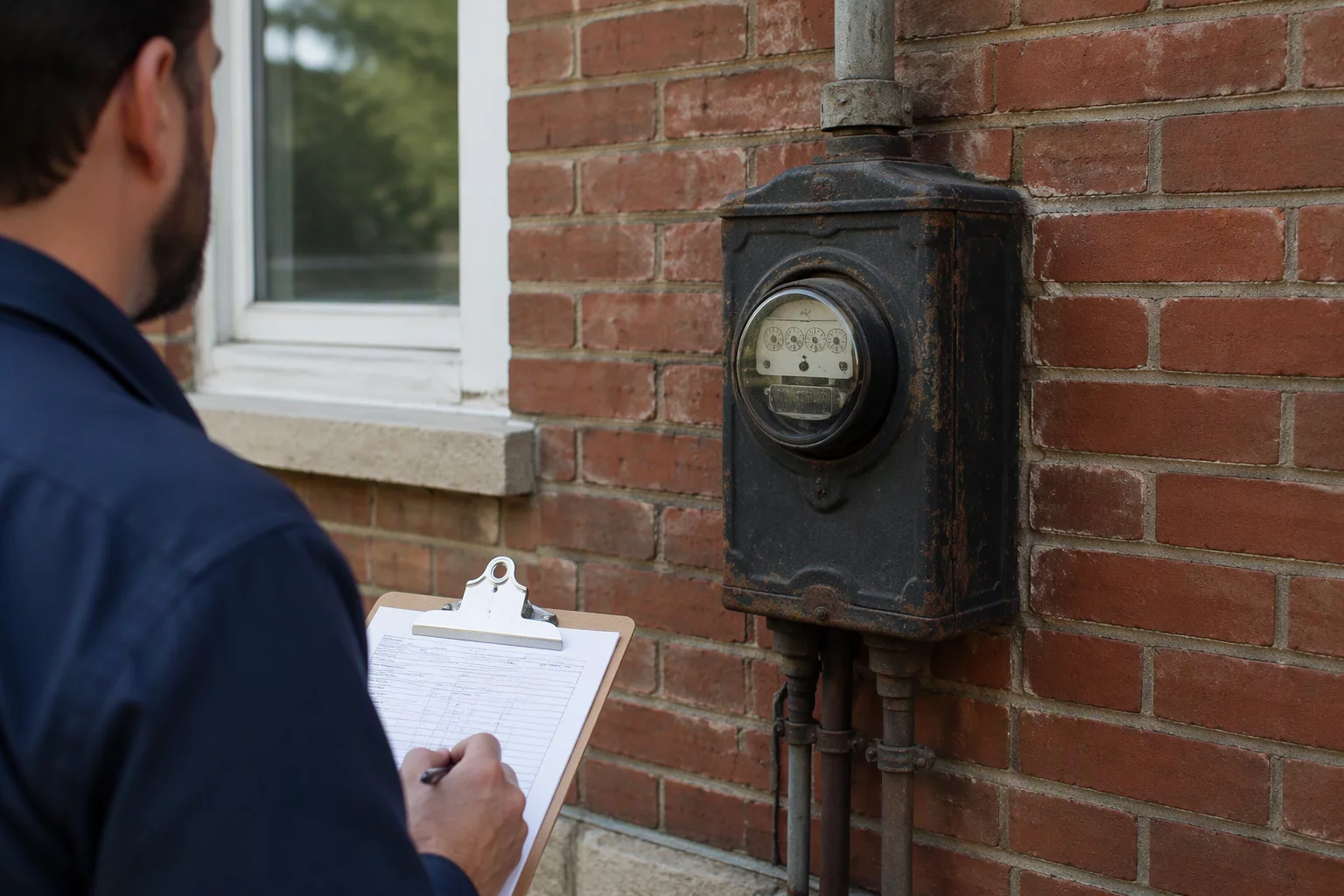
Inspector examining vintage home electrical panel

Detailed evaluation of legacy electrical service panels and grounding infrastructure prior to purchase.

Why Older Homes Demand Specialized Electrical Audits

Older properties often charm prospective buyers with architectural craftsmanship, yet their hidden wiring systems frequently lag far behind modern power demands. Houses constructed before the 1980s were typically designed for minimal electrical loads, often supporting merely 60 to 100 amps of total service capacity. In contrast, today's households regularly run induction cooktops, high-capacity HVAC systems, electric water heaters, and fast vehicle charging hardware, placing severe strain on undersized conductors.

Uncovering outmoded wiring before finalizing a real estate transaction protects buyers from unexpected rewiring bills and serious fire hazards. Outdated components like ungrounded two-prong outlets, brittle rubber insulation, and discontinued breaker panels can render standard home insurance policies invalid or trigger expensive mandatory remediation clauses after closing.

Key Electrical Milestones & Diagnostic Standards

Comparing vintage residential installations against current National Electrical Code safety benchmarks.

System Component Observed Vintage Standard Recommended Modern Upgrade
Main Service Capacity 60A or 100A fuse box or early breaker panel Upgrade to 200A main service with modern distribution unit
Branch Circuit Wiring Knob-and-tube or single-strand aluminum conductors Full copper rewiring with dedicated equipment grounding
Wet Area Protection Unprotected two-prong sockets near sinks and outdoor zones Install Class A GFCI outlets and whole-home RCD protection
Arc Fault Detection Standard thermal breakers without spark detection Integrate dual AFDD/RCD breakers across all living spaces

In-Depth Inspection Protocol Before Closing

Standard general home inspections offer only a superficial visual check of accessible panels and outlets. A licensed electrician performs an intrusive diagnostic audit, opening junction boxes in crawl spaces, measuring actual voltage drop under resistance load, and testing insulation resistance across older cables. Identifying hazardous panel brands such as Federal Pacific Electric (FPE) Stab-Lok or Zinsco panels is vital, as their breakers are notorious for failing to trip during overloads.

"Never assume a functioning wall switch equals safe concealed wiring. Ungrounded vintage lines buried inside attic insulation represent the leading hidden electrical liability in pre-1975 homes."

— William Smith, Master Electrician

The Core 4-Point Electrical Purchase Checklist

  • Verify Panel Brand & Capacity: Ensure the breaker box supplies at least 150A-200A and is free of known recall brands or burnt bus bars.
  • Scan for Knob-and-Tube or Cloth Conduits: Inspect exposed ceiling joists, basements, and attic insulation for open ungrounded wiring runs.
  • Audit Wet Zone Grounding: Confirm GFCI protection is active across kitchens, bathrooms, laundry rooms, garages, and external fixtures.
  • Check for Aluminum Branch Wiring: Look for solid aluminum connections in 1965-1973 builds requiring AlumiConn or full copper retrofits.

Utilize written inspection findings to negotiate purchase price credits or require the seller to perform certified panel modernization before closing. Taking this proactive step ensures family safety, guarantees smooth insurance approval, and prevents unexpected rewiring disruptions after move-in day.

Pre-Purchase Safety Audits

Planning to Purchase a Classic Home?

Book a certified pre-purchase electrical diagnostic inspection. Get a detailed technical report and an accurate rewiring estimate within 24 hours.

Related Electrical Safety Guides

Explore practical guides covering breaker diagnostics, remodeling, and modern copper upgrades.

Top Causes of Breakers Tripping
Electrical Tips for Home Renovation
Why Replace Aluminum Wiring

Discussion & Community Insights

Verified client comments and safety advisory queries.

Leave a Comment